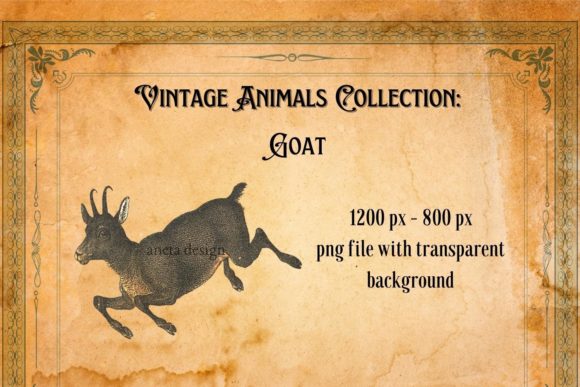
Rediscovering Charm: The Vintage Goat Illustration
In a digital landscape often dominated by sleek gradients and hyper-modern minimalism, there is a growing desire for authenticity and tactile warmth. This shift has brought vintage design elements back into the spotlight, particularly in the realm of children’s media and educational materials. Among these nostalgic treasures, the Vintage Goat Illustration stands out as a prime example of classic artistry meeting modern utility. Sourced directly from a historic Polish book designed for children, this clipart is more than just a digital file; it is a piece of preserved history, carefully prepared for contemporary printing needs.
Anatomy of a Classic Design Asset
When analyzing the visual characteristics of this specific Vintage Goat Illustration, we see a departure from the flat, vectorized aesthetics of modern illustration. The style relies heavily on texture, likely utilizing cross-hatching or fine line work typical of mid-20th-century printing techniques. The "personality" of the goat is rendered with a certain whimsical innocence, yet it retains the anatomical grounding often found in educational texts of that era. This balance makes it a versatile design asset. It does not feel cartoonish in a cheap sense, but rather illustrative in a literary sense.
For designers and content creators, the technical preparation of this asset is crucial. Delivered as a 300dpi PNG with a transparent background, the Vintage Goat Illustration is print-ready out of the box. This high resolution ensures that the fine details of the linework are preserved, whether the image is scaled down for a small icon or blown up for a poster. The transparency is particularly vital for modern packaging design and social media graphics, allowing the goat to be placed over complex backgrounds, textures, or color washes without the unsightly white box that plagued older clipart collections.
Practical Applications: From Classroom to Branding
The versatility of the Vintage Goat Illustration extends far beyond simple scrapbooking. While it is perfect for physical gifts like custom mugs or t-shirts for teachers—as noted in the asset's description—its potential in commercial branding is significant. Consider a small business owner launching an organic farm, a dairy brand, or a rustic bakery. Incorporating this illustration into the brand identity immediately communicates values of tradition, natural ingredients, and heritage. It suggests a story behind the brand, distinguishing it from sterile, corporate competitors.
For editorial design, bloggers and publishers can use this illustration to break up text-heavy layouts. It adds a focal point that draws the reader's eye without relying on generic stock photography. In the context of web design, such illustrations can soften the hard edges of a user interface, making a website feel more accessible and human. Furthermore, for entrepreneurs creating merchandise, the Vintage Goat Illustration offers a unique selling point. It appeals to a demographic that values nostalgia and hand-crafted aesthetics, making it an ideal candidate for print-on-demand products.
Strategic Integration and Font Pairing
Integrating a vintage illustration into a modern project requires a thoughtful approach to typography. The visual weight and style of the Vintage Goat Illustration dictate the typeface choices surrounding it. To maintain a cohesive aesthetic, one should avoid ultra-modern, geometric sans-serif fonts that might clash with the organic nature of the illustration. Instead, consider pairing it with a serif font that has a slight vintage flair or a handwritten font that mimics the natural imperfections of hand-drawn art.
For instance, if you are designing a logo or a header, a sturdy display font with high contrast can anchor the illustration, while a clean sans serif font can be used for body text to ensure readability. The goal is to create a visual hierarchy where the illustration and the typography complement each other. The goat acts as the emotional hook, while the typography delivers the information. This synergy is essential in creative font usage and ensures that the final design feels professional rather than cluttered.
Evaluating Fit and Licensing
Before incorporating the Vintage Goat Illustration into your next project, it is helpful to evaluate the specific context. Ask yourself if the "voice" of the illustration matches the message you are trying to convey. It works exceptionally well for themes related to nature, education, storytelling, agriculture, and nostalgia. However, it might feel out of place in a corporate annual report or a futuristic tech startup.
From a workflow perspective, having a high-quality, isolated asset saves valuable production time. Instead of spending hours trying to remove a background from an old scan or recreating the texture from scratch, this asset provides a plug-and-play solution. This efficiency is a hallmark of premium font and asset libraries. Additionally, the creator's invitation to join a newsletter for weekly freebies suggests a broader ecosystem of design assets. For designers and small business owners, tapping into such resources can build a library of consistent, high-quality visuals that streamline future projects.
Ultimately, the Vintage Goat Illustration is a testament to the enduring appeal of classic illustration. It bridges the gap between historical art and modern digital requirements, offering a practical, aesthetic, and emotionally resonant tool for a wide range of creative professionals. By thoughtfully integrating this asset, you can elevate your designs from mere digital noise to memorable visual stories.