Timeless Charm: Using Vintage Dog Illustration in Your Projects
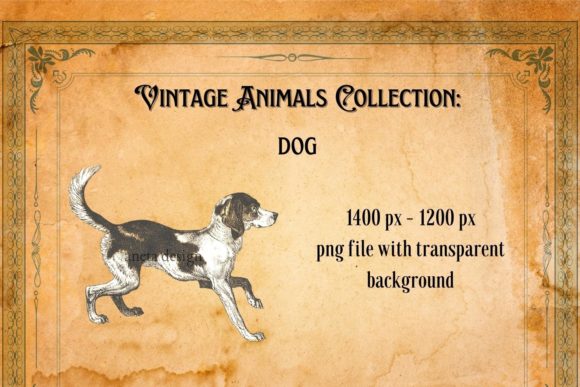
There’s a specific kind of warmth that comes from seeing a beautifully rendered animal illustration from decades past. It’s a blend of nostalgia, craftsmanship, and a personality that modern digital art often struggles to replicate. This particular Vintage Dog Illustration captures that feeling perfectly. Sourced from an old Polish children's book, it carries the gentle, slightly textured feel of classic book art. The line work is deliberate and charming, giving the dog a distinct, friendly character that feels both familiar and unique.
This isn't just a generic clipart image. It’s a piece of art with history. The style harks back to an era where illustrations were painstakingly prepared for printing, resulting in a clarity and presence that stands out. The dog’s expression and posture tell a small story, making it an instantly engaging visual anchor. For anyone working in design, marketing, or content creation, an asset like this offers a powerful shortcut to evoking a specific, positive emotion. It’s a creative font for the eyes—a typeface of illustration that speaks a language of trust and whimsy.
Where This Illustration Finds Its Home
The applications for a high-quality vintage animal illustration are surprisingly broad. Think beyond simple decoration. In brand identity, this dog could become the cornerstone of a pet-related business, a boutique bakery, or a cozy bookstore, instantly setting a tone of approachability and classic quality. For packaging design, it adds an artisanal, hand-crafted feel to products like gourmet dog treats, specialty teas, or handmade soaps.
In the digital space, it’s a standout asset for social media graphics and web design. Use it as a featured image in a blog post about pet care, a hero graphic on a homepage to welcome visitors, or as a recurring motif in an email newsletter. For editorial design, it brings life to magazine articles, book chapters, or educational materials. The real-world, tactile potential is equally strong. As noted, it’s perfect for creating personalized gifts like mugs, t-shirts, tote bags, or greeting cards—items where a heartfelt, custom touch makes all the difference.
Working With a Vintage Aesthetic
Integrating an illustration like this into a modern project requires a thoughtful approach. Its strength is its personality, so let it breathe. Avoid cluttering it with competing elements. Pair it with clean, modern typography—a simple sans serif font for body text creates a pleasing contrast that highlights the illustration’s detail without dating the entire design. Alternatively, pairing it with a script font or handwritten font can amplify the nostalgic, personal feel for projects like wedding invitations or boutique branding.
Consider the color palette. The illustration likely works beautifully in its original monochrome, but can also be colorized to match a brand’s scheme. A single, bold accent color can transform its mood from purely vintage to retro-modern. Always ensure the file’s transparency (the PNG format with a transparent background is crucial here) allows it to sit seamlessly on any surface, whether a textured paper background or a solid digital color block.
Practical Considerations for Your Workflow
When you acquire a premium font or design asset, you’re investing in quality and licensing clarity. This Vintage Dog Illustration is delivered as a 300dpi PNG, a professional standard ensuring sharpness for both print and high-resolution digital use. The transparent background is non-negotiable for versatility, allowing you to layer it without cumbersome editing.
Before finalizing your project, test the illustration at the size it will be used. Zoom in to check the line integrity—vintage art can sometimes have imperfections that add charm at a small scale but may look flawed when blown up. For commercial projects, always verify the license. A clear commercial license, which this asset provides, allows you to use it in products for sale, giving you peace of mind and protecting your work.
Ultimately, this kind of asset is about more than just filling space. It’s about connecting with an audience through a shared visual language. A well-chosen vintage illustration can make a brand feel more human, a product more special, and a message more memorable. It’s a small design choice with a significant impact on how your work is perceived and remembered.