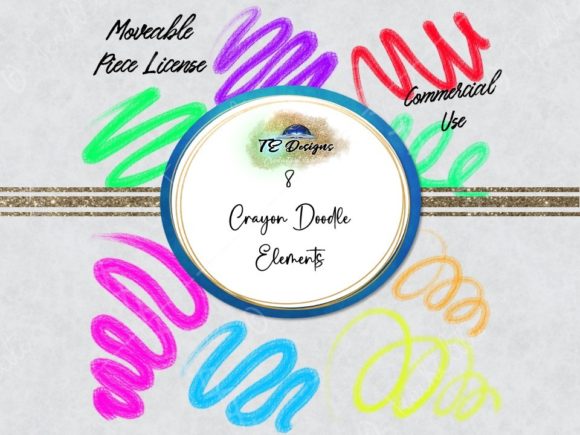
Unleashing Creativity with Crayon Elements Clipart
When we talk about design assets, we often focus on typography—serif fonts, sans serif fonts, and script fonts that define the voice of a brand. However, visual texture is just as critical. I recently integrated the Crayon Elements Clipart pack into a client’s educational project, and the impact was immediate. It transformed a flat, static layout into something tactile and energetic. If you are a designer, marketer, or educator looking to bridge the gap between professional polish and playful charm, this set of eight distinct elements offers a surprising amount of versatility. It is not just about drawing; it is about adding a layer of authentic, handmade personality to digital and print media.
The Visual Language: More Than Just a Doodle
At first glance, the Crayon Elements Clipart might seem strictly for elementary school newsletters. However, looking closer, you will notice the high-resolution texture of the wax crayon strokes. This is a premium font asset alternative that serves as a powerful visual anchor. The style captures the essence of "handmade" without looking messy or unprofessional. In an era where audiences crave authenticity, these elements break through the sterile barrier of modern typography. They offer a warmth that a standard sans serif font cannot provide on its own.
The personality here is approachable and optimistic. Unlike generic stock vectors, these crayon textures have depth. They work exceptionally well when you need to convey a message that is "from the heart." For a brand strategist, this is gold. It allows you to soften the corporate edge of a brand identity, making a company feel more human and relatable. Whether you are designing a logo for a creative startup or laying out a social media graphic that needs to stop the scroll, the distinct "crayon" aesthetic provides an immediate emotional connection that polished vector lines sometimes miss.
Strategic Applications for Modern Creators
For the entrepreneur or small business owner, the question is always: "Where does this fit?" The answer lies in the versatility of the eight elements provided. Here is how you can practically apply them across different mediums:
- Packaging and Editorial Design: Imagine a product box for organic snacks or children’s goods. Instead of a standard background, using a subtle crayon texture element can elevate the shelf presence. In editorial design, these elements are perfect for breaking up long blocks of text in a magazine or blog post, acting as visual rest stops for the reader’s eye.
- Digital Marketing and Web Design: In web design, user experience is paramount. Crayon elements can be used as bullet points, section dividers, or background accents on landing pages. They add a "stop-and-look" quality to email headers or promotional banners. Because they are provided as .png images, they are ready to drop into any web builder or email marketing platform without needing complex software.
- Brand Identity and Logo Design: While you wouldn't necessarily build an entire corporate identity around a crayon mark, it works beautifully as a secondary element. Think of a stamp on a loyalty card, a watermark on a letterhead, or a favicon. It adds a layer of creative font styling that suggests a brand is hands-on and detail-oriented.
Practical Guidance for Implementation
Integrating clipart into a professional workflow requires a bit of strategy to maintain visual hierarchy. If you are using the Crayon Elements Clipart alongside a bold display font, ensure there is enough contrast. The crayon texture is inherently organic, so pairing it with a rigid, geometric sans serif font creates a dynamic tension that looks very modern. Conversely, pairing it with a handwritten font can create a chaotic look unless you are careful with spacing and color.
Readability is key. Use these elements as accents, not as the background for body text. They are designed to guide the eye, not to be the eye. Because the download includes transparent .png files, they layer beautifully over photos or colored backgrounds. This is particularly useful for social media graphics where you need to overlay a visual element on a busy image without a white box ruining the composition.
Licensing and Workflow Efficiency
One of the most significant pain points for content creators is licensing. We have all been there—finding the perfect asset only to realize the license restricts commercial use. The Crayon Elements Clipart pack removes that headache. The terms are clear: once you download, it is ready for both personal and commercial items. This is essential for small business owners who need to move fast without legal worries.
The workflow is also streamlined. You receive a zip folder containing high-quality assets. There is no need to spend hours converting vectors or adjusting outlines. You simply drag and drop. This efficiency allows you to focus on the creative side—choosing color palettes, testing font pairings, and refining your message. It is a practical tool for the busy designer who needs professional results without the technical overhead.
Ultimately, design is about communication. Sometimes, the most sophisticated way to communicate is to strip back the gloss and show a little grit. The Crayon Elements Clipart provides that perfect balance of professional utility and artistic whimsy. Whether you are updating a classroom resource, refreshing a blog, or designing a new product line, these elements are a smart addition to your creative toolkit. They remind us that even in the digital age, the human touch is the most powerful design asset of all.
© 2020 made by TeachElite. All rights reserved.